Why the Dog with Flowers Embroidery Design Is a Maker's Favorite
When a new embroidery file lands in my library, my first question isn't just about its aesthetic—it’s about its utility. How will it stitch out? Where does it belong? The Dog with Flowers design prompts an immediate smile, but the real test comes when the needle meets the fabric. This isn't just a cute motif; it's a potential cornerstone for a range of projects that need warmth, charm, and a touch of handmade personality.
The Quiet Charm That Wins Over Customers
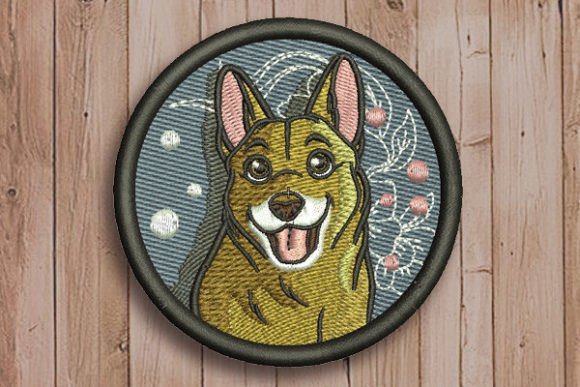
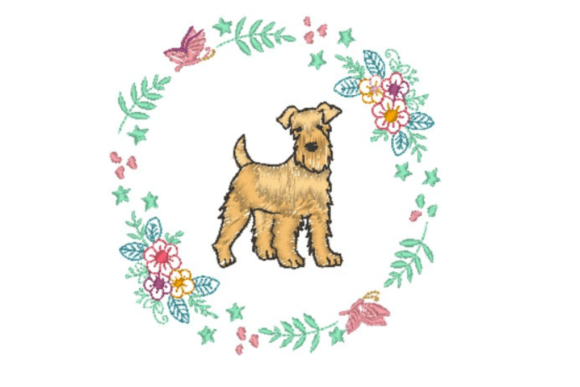
My first impression of Dog with Flowers is one of gentle, joyful character. The theme itself—a dog adorned with floral accents—creates an instant emotional connection. It feels nostalgic and friendly, not overly cartoonish or stark. The layout suggests a balanced composition, which is crucial for applying it to a finished product. It doesn’t scream for attention; instead, it invites a closer look. This visual personality makes it incredibly versatile. It naturally belongs on items meant to convey care, like personalized gifts, nursery decor, or cozy home accents. Think of a baby blanket or a wedding gift for a couple who loves their pet—this design speaks directly to those heartfelt moments.
A Design Tailored for Real-World Projects
In my studio, a design’s value is proven on the hoop. I envision running Dog with Flowers on a simple cotton tote bag first, as a test. Tote bags are a staple for small businesses and craft fairs; they need designs that are clear, durable, and appealing from a distance. The floral elements here likely use fill stitches for the petals, offering a nice texture, while the dog’s outline would rely on satin or running stitches for definition. This combination should provide good stitch density without being overly heavy, making it suitable for mid-weight fabrics like canvas, denim, or quilting cotton.
For apparel decorators, this design is a strong candidate for the center of a sweatshirt or a subtle accent on a cap's side panel. Its likely moderate detail level means it won't get lost on a curved surface like a cap, provided the smaller elements are crisp. For a boutique product like an embroidered pillow cover or a kitchen towel, it adds that bespoke, crafted look that elevates a simple item into shop-ready merchandise. I always advise checking the specific stitch count and recommended hoop size with the provider, but a design like this often finds a happy home in a 4x4 or 5x7 hoop, making it accessible for many machines.
Where Its Sweetness Works Best
The application list is long and promising. Dog with Flowers is perfect for custom baby clothes, where soft themes are essential. It lends itself beautifully to embroidered patches, which can then be applied to backpacks or jackets. For holiday gifts—think Mother’s Day or a birthday—it personalizes an apron or tea towel with a timeless touch. For Etsy sellers and digital product sellers, this file is a solid design asset. It can be used in printable mockups to showcase potential finished products, helping buyers visualize the outcome. In a craft business, consistency in style matters, and this design’s friendly professionalism can enhance brand trust.
The Practical Considerations for Perfect Stitching
Confidence in a design comes from knowing its limits as well as its strengths. With any design featuring both larger areas and smaller decorative accents, like the flowers here, you must be mindful. On very small hoop sizes, the tiny details might lose clarity if the stitch density is too high. On textured or stretchy fabrics, like some sweatshirt materials, using a proper stabilizer is non-negotiable to prevent puckering and to maintain the design’s shape.
Dark fabric backgrounds require thoughtful thread color selection. You’d want to test a version with lighter, contrasting threads to ensure the dog and flowers pop without needing an overly dense fill that could stiffen the fabric. Similarly, on thin fabrics, you might need to adjust your stabilizer strategy to support the design without damaging the base material. For products destined for frequent washing, like apparel or kitchen linens, a well-digitized design with secure stitches is key, so always stitch a sample on scrap fabric first to assess its durability.
Notes from the Hoop: A Designer's Checklist
Before committing this design to a client project or a batch of shop merchandise, my process is always the same. Test, test, test. Run Dog with Flowers on a scrap of the exact fabric you plan to use. Check the thread color contrast against both light and dark backgrounds—sometimes a design looks perfect in a digital preview but needs a color swap in real life. Inspect the small details; are the flower centers and the dog's features crisp? This affects the final product's perceived value and professionalism.
Another crucial step is confirming the licensing terms for the embroidery file. Can it be used for commercial embroidery, or is it for personal use only? This is fundamental for small business owners and creative entrepreneurs selling finished products. Never assume. Also, consider how it looks in simple black and white mockups for your online listings; a design with strong shapes will still communicate its charm even in a schematic preview, boosting buyer engagement.
The Final Imprint: More Than Just Stitches
Ultimately, an embroidery design like Dog with Flowers succeeds because it stitches a feeling onto fabric. It affects visual appeal by adding a handmade, thoughtful layer. It increases product value by transforming a plain item into a specialty one. For the maker, it builds customer trust through consistent, quality results. Its giftability is high—it feels personal without being overly specific. When I evaluate a design for real project use, I look for this blend of emotional resonance and practical robustness. This design, with its sweet canine subject and floral frame, seems to offer both. It’s a file I would confidently pull for a custom tote bag order, a limited-run holiday collection, or a special gift, knowing it will stitch out a story that people want to hold onto.