Dog with Cat Embroidery Design Review for Business Merchandise
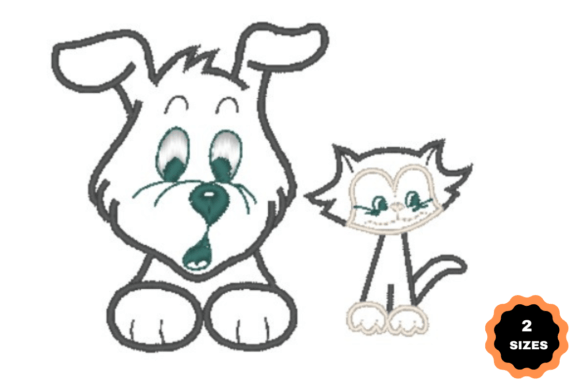
From the perspective of a professional embroidery designer, reviewing a new design file is a process focused on its potential as a brand asset, not merely its decorative appeal. Today, I’m examining the Dog with Cat embroidery design, evaluating its suitability for branded merchandise, patches, and commercial use. My lens is practical: how does this machine embroidery design perform when applied to the real-world needs of a small business?
First Impressions: Visual Personality for Branding
The title and description suggest a friendly, playful, and distinctly adorable character. This is a design that leans into a handmade and playful aesthetic. For businesses, this visual tone is a critical first consideration. A café with a pet-friendly policy, a boutique pet brand, a creative studio with a whimsical identity, or a bakery aiming for a warm, community feel could find this design resonates perfectly. It doesn’t scream corporate; it whispers approachable. This can be a powerful tool for building customer trust and engagement, making a brand feel personal and connected.
Real-World Applications: From Patches to Product Labels
Let’s translate that personality into tangible products. Dog with Cat presents intriguing possibilities across typical small business merchandise channels.
Embroidered Patches for Brand Recognition
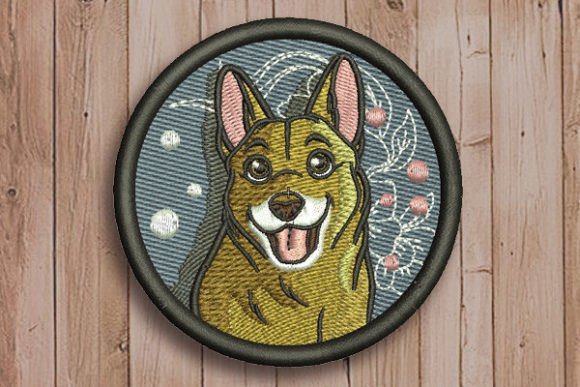
An embroidered patch is a versatile branding tool. This design, assuming its composition is clean, could be excellent for a sleeve detail on staff uniforms, a chest logo accent on work shirts, or a standalone patch for customer giveaways or event merch. For a small pet store, a patch with this design on a tote bag becomes a recognizable brand mark. The key question for patch use will be its performance at smaller sizes—a critical test for any embroidery file intended for this purpose.
Apparel and Accessories for Staff & Customers
Consider the standard uniform embellishments: cap embroidery on the front panel, a simple left-chest design on polo shirts, or an accent on apron pockets for a café or florist. Dog with Cat could inject a dose of personality into staff attire, fostering a cohesive and friendly team image. Similarly, as a tote bag design or an accent on hoodies sold as boutique merchandise, it elevates a simple product into a branded handmade product, increasing perceived value.
Product Packaging and Accents
Beyond wearables, think of product packaging for a handmade shop or craft business. A small embroidered label featuring this design sewn onto a fabric wrap or pouch adds a premium, tactile touch. It signals care and attention to detail, enhancing the overall brand identity and visual consistency of your product line.
Navigating Potential Challenges in Production
No design review is complete without noting where careful application is required. These are the practical considerations that separate a successful commercial embroidery project from a disappointing one.
Scale and Detail Integrity
The description mentions the design comes with “multiple embr,” which I interpret as multiple embroidery file formats or sizes. This is helpful, but the fundamental test is: does the detail hold up when minimized? For a cap embroidery front, which is often a small, curved surface, fine lines and intricate elements can blur or lose definition. High stitch density in a small area can also lead to stiffness or puckering, especially on textured fabric. Before committing to production, test it at the intended small patch size.
Color and Contrast on Brand Materials
Thread color contrast is paramount. If your business uses dark uniforms—navy aprons or black caps—the design must have sufficient visual separation to remain clear. A test in black and white thread on various fabric colors is a wise first step. Also, consider items that need frequent washing; a robust, well-digitized design with good stitch density will withstand this better than one with sparse, delicate lines.
Technical Setup for Consistent Results
Always confirm hoop size compatibility with your machine and the intended product. Using the proper stabilizer for the specific fabric texture—be it canvas for a tote bag, twill for a cap, or polyester for a uniform—is non-negotiable for a clean finished product. These steps ensure the design’s professional presentation, which directly impacts brand perception.
Integrating the Design into Your Business Ecosystem
Using an embroidery file like Dog with Cat is not an isolated decision. It’s an integration into your existing design assets.
Building Professionalism and Value
A well-executed embroidered logo or accent conveys professionalism. It tells customers you invest in your brand’s presentation. On custom apparel or merchandise, it transforms a generic item into a branded one, increasing its value and desirability. For Etsy sellers or craft businesses, this adds a layer of polished handmade presentation that can significantly boost buyer engagement.
Pre-Production Best Practices
My final advice mirrors my standard workflow for any client project:
- Test on real fabric samples that match your final products.
- Create a printable mockup or, better, a physical sewn sample for client or internal approval before bulk production.
- Compare the sewn test alongside your other brand elements to ensure visual harmony.
- Most critically, confirm commercial licensing before business use. The product description does not specify license terms; you must verify that this digital embroidery file is licensed for commercial embroidery applications.
In conclusion, the Dog with Cat embroidery design holds charming potential for businesses aiming to project a friendly, playful, and handmade brand identity. Its success, however, will be entirely dependent on rigorous pre-production testing for scale, contrast, and technical compatibility, ensuring that this adorable concept translates into a durable, professional, and effective brand asset for your small business merch.