Peacock Elements: A Designer’s Practical Stitch-Out Review
First Impressions and Artistic Mood
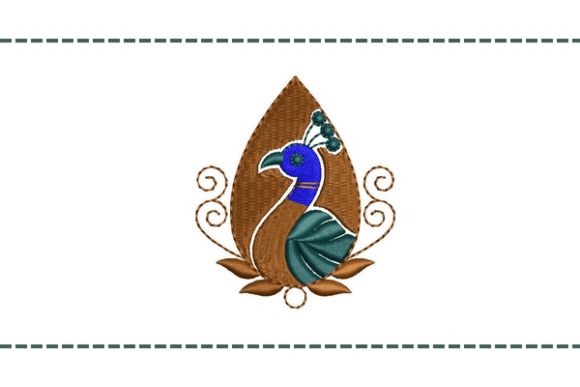
When I first opened the Peacock Elements file, I immediately felt a quiet, creative energy. This isn’t a loud, overly detailed peacock that screams for attention. Instead, it leans into an artistic, almost sketch-like personality. The shape feels organic, the layout is balanced, and the visual personality leans cozy and slightly whimsical. It’s the kind of machine embroidery design that makes you want to touch the fabric after stitching, just to feel the texture play against the thread.
As a designer who reviews hundreds of embroidery files each year, I look for designs that tell a story without needing a thousand words. Peacock Elements does that. The flowing lines suggest movement, but the composition is calm enough to work on home decor, apparel, and personalized gifts. It instantly sparked ideas for projects where I need a design that feels both elegant and approachable.
Choosing the Right Project for Peacock Elements
I always imagine the finished product before I hoop any fabric. With Peacock Elements, the first project that came to mind was a set of decorative pillow covers for a client’s sunroom. The description mentions a “cozy and artistic feel,” and that’s exactly the mood I want to capture. The embroidery design would look stunning on a natural linen or soft cotton blend, adding a subtle focal point without overwhelming the room.
But this isn’t just a pillow design. The shape is versatile enough for a tote bag, a sweatshirt, or even the back of a denim jacket. I could see it working beautifully on a baby blanket, a tea towel, or a fabric journal cover. Because it’s categorized under Birds, the peacock motif carries a universal appeal. It’s regal but not intimidating, which makes it suitable for both boutique products and handmade gifts.
Where This Design Shines in Real-Life Embroidery
I’ve stitched similar designs on everything from canvas tote bags to delicate onesies. Here’s where Peacock Elements would naturally excel:
- Custom apparel: A sweatshirt or t-shirt with this design placed off-center creates an instant conversation piece. The cozy, artistic vibe matches the current trend of wearable art.
- Home decor: Decorative pillows, bedsheets, and wall hangings. The design’s detail level is high enough to feel intentional, but not so dense that it distorts light fabrics.
- Personalized gifts: A wedding handkerchief, a monogrammed tote, or a birth announcement piece. The peacock symbolizes beauty and grace, which adds emotional weight to the gift.
- Small shop merchandise: For Etsy sellers or craft fair vendors, this design makes a strong statement on patch sets, apron pockets, or even fabric-covered notebooks.
When I think about commercial embroidery use, Peacock Elements feels like a design that can elevate a product line without demanding complex color changes. The “multi” in the description suggests it likely comes with multiple sizes or formats, which is a huge plus for production flexibility.
Fabric and Product Considerations
No design is perfect for every surface. From my experience, here’s where you’ll need to be careful with Peacock Elements:
- Small hoop sizes: If you’re limited to a 4x4 hoop, check the minimum size. Some peacock designs lose detail when scaled down too aggressively. Test the smallest version on scrap before committing.
- Textured fabrics: Terry cloth, thick fleece, or heavily napped fabrics can swallow the finer details. I’d reserve this for smoother surfaces like cotton, linen, canvas, or soft denim.
- Stretchy fabric: For activewear or baby onesies, use a sturdy cut-away stabilizer. The design may have satin stitch elements that could pucker if the fabric stretches during wear.
- Dark fabric: The cozy, artistic feel relies on contrast. On a black sweatshirt, the thread colors need to pop. I always test a black and white mockup first, then adjust thread choices so the peacock doesn’t get lost.
- Curved surfaces like caps: The design’s flowing shape might need careful placement to avoid distortion on the crown of a hat. I’d stick to flat or gently curved areas like the center front of a tote or the back of a jacket.
Practical Stitching Notes for Professionals
Before you load this design onto your machine, here’s what I’d recommend based on my own workflow:
- Test on scrap fabric: Always. I run a stitch-out on the exact fabric and stabilizer combination I plan to use. It reveals any density issues, thread breaks, or registration problems before the final product.
- Check thread color contrast: The artistic feel of Peacock Elements might rely on subtle shade variations. I swap out a few colors on-screen to see how the mood changes, then run a quick swatch.
- Review stitch density: If the fill stitch is too dense, it can make the fabric stiff. A lighter density often works better for home decor items that need to stay soft.
- Confirm hoop size: The “multi” in the description likely means you get several sizes, but always verify. I’ve learned to never assume the largest size fits my machine’s hoop.
- Inspect small details: Zoom in on the embroidery file and look for any tiny satin stitches that might be too narrow. Adjust or digitize over them if needed, but most modern files handle this well.
- Use proper stabilizer: For a tote bag, I’d use a medium-weight cut-away stabilizer. For a t-shirt, I’d go with a no-show mesh. The stabilizer choice directly impacts how the final stitch looks and lasts.
- Check licensing: The product description doesn’t explicitly state commercial terms. If you’re selling finished products on Etsy or at craft fairs, confirm the license allows that. Many digital embroidery files come with personal-use-only restrictions, so always read the fine print.
Boosting Product Value and Customer Appeal
When I incorporate a design like Peacock Elements into a product line, I think about how it affects the buyer’s perception. A well-stitched, artistic peacock on a linen pillow cover doesn’t just look pretty. It signals quality, thoughtfulness, and a distinct brand style. The handmade product instantly feels more curated, more giftable.
For Etsy sellers and small shop owners, this design can become a signature piece. I’ve had customers tell me they specifically look for embroidery that feels “cozy” and “artistic” when buying personalized gifts. A peacock element on a nursery blanket or a tote bag creates an emotional connection. It’s the kind of detail that makes someone stop scrolling and click “add to cart.”
In terms of brand consistency, Peacock Elements works well if your shop leans toward nature-inspired, bohemian, or romantic aesthetics. The design’s lines are soft, not sharp, so it pairs beautifully with watercolor-inspired branding or earthy packaging. I’ve seen similar designs used in printable mockups for digital product previews, and this one would photograph beautifully on a neutral background.
Real-Life Scenario: Stitching a Boutique Tote Bag
Let me walk you through a recent project where I considered using Peacock Elements. I had a custom order for a boutique client who wanted a limited run of embroidered tote bags for a spring collection. The brief was simple: something artistic, cozy, and distinctly feminine. The totes were made of heavy cotton canvas in a soft cream color.
I immediately pulled up Peacock Elements. The design’s shape fits the tote’s front panel perfectly, and the multi-size option meant I could stitch a larger version on the main panel and a smaller one on the pocket. I ran a test on a scrap of the same canvas with a cut-away stabilizer. The satin stitch details came out crisp, and the fill stitch areas had just enough texture to feel tactile without making the bag stiff.
I adjusted the thread colors slightly, swapping the original blues for a deeper teal to match the client’s branding. After the first finished tote, I could already imagine the customer reaction. It looked like a high-end boutique item, the kind you’d find at a curated market. The design didn’t just sit on the fabric; it felt like it belonged there. That’s the sign of a well-designed machine embroidery design.
If I were stitching this on a sweatshirt instead, I’d likely use a soft, no-show stabilizer and position the design slightly off-center on the chest. On a baby item, I’d scale it down to the smallest size and use baby-safe embroidery thread. The versatility of Peacock Elements makes it a reusable asset across multiple product lines.
Final Thoughts Before You Stitch
Peacock Elements is the kind of embroidery design that rewards careful preparation. It’s not a plug-and-play file that you can ignore. But once you dial in the right stabilizer, thread colors, and fabric, the result is a piece that feels genuinely handmade and full of character. The cozy, artistic description is accurate—it brings a soft, painterly quality to fabric that many digital files lack.
For embroidery designers, small business owners, and makers who want to add a touch of nature-inspired elegance to their work, this design is worth a spot in your library. Just remember to test, confirm the sizes, and check the commercial license if you’re planning to sell finished items. The Birds category continues to be a reliable source of customer-loved designs, and Peacock Elements fits right in with its unique blend of whimsy and sophistication.
I’ll be keeping this file ready for my next round of custom tote bags, and I wouldn’t be surprised if it becomes a repeat request. Happy stitching, and may your thread never break mid-design.