Embroidery Country Flags: A Designer’s Practical Review
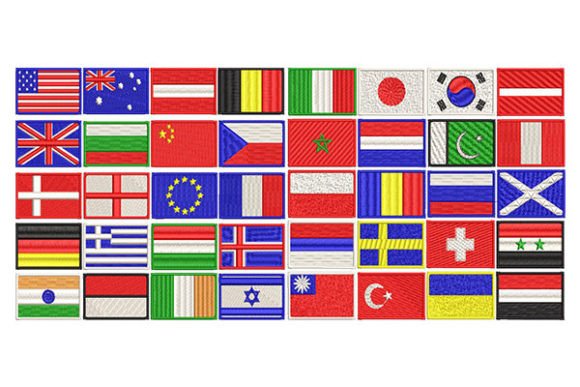
When I first opened the Country Flags embroidery design, my immediate thought was, "This is for the crafters who want to add a touch of personal heritage or a global connection to their work." It’s a theme that carries a mood of celebration and identity. The layout and the inherent detail suggest a design that’s more than just decorative—it’s symbolic.
The First Impression: Where This Design Naturally Belongs
Country Flags presents itself as a clean, thematic collection. The visual personality feels organized and intentional, making it a natural fit for projects where the flag itself is the star. It naturally belongs on items meant to declare an affiliation, celebrate a culture, or personalize a gift for someone with strong roots. I envision it not just on flags or banners, as suggested, but translated onto more intimate, everyday objects.
Imagine you're preparing a custom embroidered tote bag for a client who is a dual citizen. Stitching their two flags side-by-side onto the bag creates a deeply personal, wearable story. Or consider a boutique owner creating a line of embroidered pillow covers for a nursery, with a baby's heritage flag softly stitched on linen. The design’s clarity suggests it would stitch out with good definition, creating a crisp, recognizable symbol that customers would instantly connect with.
Performance in Real-Life Embroidery Projects
In practical use, this Around The World-themed design performs well when applied thoughtfully. For custom apparel like sweatshirts or t-shirts, a single flag as a chest logo works beautifully. On baby clothes, a smaller version would make a sweet, meaningful accent. As an embroidered patch, it could be attached to a cap or backpack with great effect. For kitchen towels or aprons, it adds a personalized touch for a home cook.
For small business merchandise—say, an Etsy seller offering personalized holiday gifts or wedding gifts for couples from different countries—this embroidery file becomes a key design asset. It elevates a simple tea towel or blanket into a cherished keepsake. When used in printable mockups for digital product previews, the clean shapes would show up well, aiding buyer engagement. In a craft fair setting, items adorned with these flags would have immediate visual appeal and storytelling power, boosting product value and handmade presentation.
Careful Application: Where to Pay Attention
However, with any design featuring defined shapes and potentially intricate corners, careful application is key. On small hoop sizes, you need to ensure the design’s scale maintains stitch clarity. On textured or stretchy fabrics like some sweatshirts, a good stabilizer is non-negotiable to keep the satin or fill stitches sharp.
Stitching onto dark fabric requires careful thread color contrast planning—a white flag on a black denim jacket needs bright, dense stitching to pop. On curved surfaces like caps, the design’s layout must be checked to avoid distortion in detailed corners. If the design includes tiny lettering or very dense stitch areas, a test run on scrap fabric is essential to prevent puckering and ensure durability, especially for products needing frequent washing.
A Real Scenario: Crafting a Boutique Product Line
Let’s walk through a real case. I’m thinking of using Country Flags to create a line of embroidered pillow covers for my small shop. I’d first test the design on my linen scrap to check stitch density and how the flag’s details render. I’d review it in both light and dark fabric mockups to plan my collections. The goal is brand consistency: each product should feel professionally made, with clean stitching that builds customer trust.
Would this design support that? The answer hinges on execution. A well-stitched flag, with precise edges and good thread coverage, looks polished and giftable. It feels like a considered, quality handmade product. A poorly executed one, on unsuitable fabric without proper stabilizer, would undermine that professionalism.
Designer Notes for Practical Success
Before committing this design to any commercial embroidery project or personal gift, here are my practical notes. Always, always test on scrap fabric first. This tells you about the actual stitch behavior, not just the preview. Check your thread color contrast against your final fabric—don’t assume. Inspect the small details in the design file; zoom in. Does the scale work for your chosen hoop size?
I also recommend testing the design concept in simple black and white mockups to judge its form stripped of color. Use the proper stabilizer for your specific fabric texture. Crucially, confirm the licensing terms for this digital embroidery file before selling finished items or incorporating it into digital products for resale. The product description doesn’t specify these terms, so that check is a necessary step for any craft business or digital product seller.
The Final Stitch: Value Beyond the Hoop
Ultimately, Country Flags offers a straightforward, symbolic design asset. Its success in your project—whether it’s a baby embroidery, a tote bag design, or boutique branding—depends on your setup and fabric choice. When stitched well, it creates a piece with high recognition and emotional resonance. It can turn a simple cap or apron into a personalized product that speaks directly to its owner.
For the creative entrepreneur, it’s a versatile tool. But remember, the machine embroidery design is just the starting point. Your skill in pairing it with the right stabilizer, fabric, and thread colors determines the final product's appeal. Approach it with a designer’s eye: consider the mood, the recipient, and the durability. Then, this embroidery project can become a finished product that truly feels special, handmade, and thoughtfully made.