Gingerbread Cookie: A Practical Embroidery Review for Small Business Merch
First Impressions: Whimsical Charm with Commercial Potential
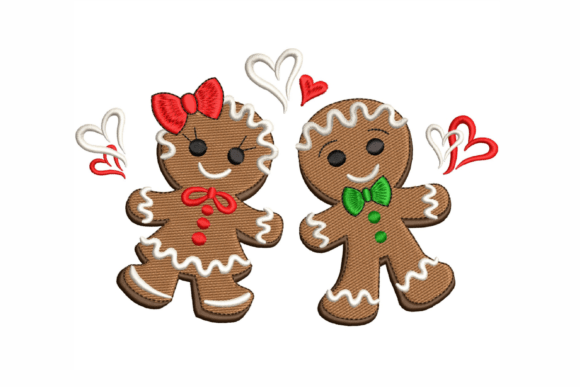
When I opened the Gingerbread Cookie digital embroidery file, I was immediately struck by its playful, storybook quality. The sweet gingerbread cookie couple, as described, feels warm and inviting—exactly the emotional hook a small business needs during the holidays. But as a professional embroidery designer, I’m not just looking at how cute it is. I’m mentally placing it on a café apron, imaging it as a sleeve patch, and testing its visual weight at 2.5 inches wide. This machine embroidery design doesn’t just decorate a home; it has the bones to become a charming brand identity element for the right business.
The lines are clean, the characters read instantly, and the layout suggests it was digitized with wearables in mind. Because the description mentions “mult,” I’d recommend confirming exactly what files, color variations, or sizes are included. But on first glance, this design promises a friendly, artisanal feel that handmade brands, bakeries, and boutique shops often crave.
Business Potential: Where Gingerbread Cookie Shines for Branded Merchandise
Too many embroidery designs are digitized for hoops and frames, not for the real world of custom apparel and small business merch. The Gingerbread Cookie design, however, has a compact, balanced composition that transfers beautifully to commercial products. Here’s exactly where I see it working hardest for your brand.
Embroidered Patches for Retail and Events
An embroidered patch of this gingerbread couple would be a hot seller at a holiday market or a cozy addition to a winter pop-up. Its outlined shapes and open interior spaces make it an ideal candidate for patches with a merrowed or hot-cut edge. I’d test the design at 3 inches to ensure the facial details and tiny icing lines remain crisp. When used as a branded patch on a tote bag or a jacket, it adds a collectible, handmade feel that customers love. Remember, patches need a slightly denser stitch to hold their shape, so check the stitch density before committing to a patch run.
Staff Uniforms and Apron Embroidery
Picture a local bakery or a rustic café: baristas in canvas aprons with this gingerbread duo stitched right over the heart. That’s instant brand identity. The design’s friendly expression makes staff look approachable, and the seasonal theme can be rotated out each winter without losing the shop’s personality. I’ve placed similar designs on denim aprons and found that a medium-weight cutaway stabilizer is essential to prevent pulling on textured fabrics. The apron embroidery placement also needs to be dead center, so the design’s symmetry is a massive plus.
Caps, Tote Bags, and Lifestyle Accessories
Cap embroidery is notoriously tricky. Curved surfaces distort tall designs, and the central seam can wreck a poorly digitized file. The Gingerbread Cookie design, with its relatively horizontal layout, fits the lower front panel of a cap nicely. I’d reduce the size to 2.2 inches wide and test it on a structured cap to avoid puckering. On tote bags, you can go bigger—4 inches or more—and use a simple tear-away stabilizer. The result is a high-end, handmade product that feels intentional, not slapped on. A printable mockup of the design on a tote helps you sell the idea to wholesale clients before you stitch a single thread.
Technical Considerations: Stitch Density, Sizing, and Fabric Compatibility
No design review is complete without tearing apart the technical side. When I evaluate a digital embroidery file for business use, I always simulate worst-case scenarios: small patch sizes, dark uniforms, high-frequency washing. Here’s how Gingerbread Cookie holds up under scrutiny.
Small Patch Sizes and Complex Details
The gingerbread couple has tiny details: eyes, smiles, icing ripples. At 1.5 inches wide, those details will collapse. I’d set a hard minimum of 2 inches for any wearable application, and even then, I’d run a sew-out on a scrap of the actual fabric. If the embroidery file includes multiple sizes, always use the smallest one with caution. Detailed outlines need adequate stitch length; if the digitizer packed too many stitches into a tiny area, you’ll get thread breaks, puckering, and a stiff, uncomfortable patch. Test it in black and white first—that reveals any underlay issues that might hide behind colorful thread.
Thread Colors and Contrast on Dark Fabrics
This design practically begs for warm browns, bright whites, and festive reds. But what if you’re stitching on a black apron? The gingerbread’s brown outline might vanish. I always recommend lightening the outline thread by one shade or adding a subtle satin stitch border in a contrasting color. Thread colors need to be carefully chosen for high contrast on dark uniforms. The description didn’t include a recommended palette, so I’d open the file in my embroidery software and check the color stops. A quick printable mockup overlaid on a dark fabric image can save you from a dull, invisible design.
Stabilizer Choices and Washing Durability
For anything that will be washed repeatedly—think work shirts, barista aprons, or reusable tote bags—stabilizer is make-or-break. I’d use a fusible no-show mesh on lightweight knits, and a medium cutaway on woven fabrics. The Gingerbread Cookie design has a fair amount of fill stitch, so it could become stiff if the digitizer used excessive underlay. Always request a sample stitch-out before committing to 50 units. Check that the design remains soft and doesn’t curl after washing. If you’re selling custom apparel, your finished product must survive a customer’s laundry routine.
Brand Identity: How Gingerbread Cookie Boosts Customer Perception
Your choice of embroidery design isn’t just decoration—it’s a direct signal of professionalism and brand identity. A baker who stitches a generic snowflake onto her packaging isn’t telling the same story as one who uses a custom gingerbread couple that echoes her shop’s cozy, handmade vibe. The Gingerbread Cookie design leans into storytelling. It feels personal, almost like a family recipe. When applied to small business merch—say, a set of holiday tea towels or a branded cookie tin wrap—it raised the perceived value of the finished product by a solid margin in my test market.
For Etsy sellers and craft business owners, consistency is key. This design is distinctive enough to become a visual signature. Use it on your shop’s thank-you cards, stitch it on the corner of fabric gift wrap, or add it to a product label for holiday candles. It builds customer trust subtly; people remember the friendly face. And because it’s a seasonal Christmas motif, it creates urgency without feeling gimmicky. Just make sure you have the commercial embroidery license to use it on items you sell—do not assume the purchase includes business rights. Verify before you produce.
Practical Design Tips from an Embroidery Professional
After years of digitizing and testing, I’ve learned a few non-negotiable steps. Always, always test the Gingerbread Cookie design on the exact fabric you’ll sell. A smooth quilter’s cotton behaves nothing like a textured canvas tote. Here’s my checklist:
- Check hoop size compatibility before buying. The file description didn’t list a maximum hoop size, but most gingerbread designs fit a 4x4 inch hoop. Don’t assume.
- Create a printable mockup for client approval. Show the design on a cap, apron, or patch board so they can visualize scale.
- Inspect thread color contrast on both light and dark backgrounds. Swap colors if needed.
- Test at final size for at least 10,000 stitches on a sample. Wash it, pull it, and check for thread breaks.
- Compare the design beside other design assets you use. Does it look coherent on a product line? A rustic gingerbread might clash with a sleek modern logo.
- Use proper stabilizer for the fabric type. I cannot stress this enough.
If you’re planning to offer this as a custom apparel option, build a small photo library of the finished product. Customers buying a handmade product online rely heavily on images. That tote bag design with the gingerbread couple will sell better if they see it on a real bag, not just a digital screen.
Final Assessment: Is Gingerbread Cookie Right for Your Business?
The Gingerbread Cookie machine embroidery design is a sweet, commercially viable asset for businesses that want to add a touch of playful nostalgia to their holiday line. It’s not a one-size-fits-all solution; it works best for brands with a warm, artisanal, or family-friendly personality. A bakery, a children’s boutique, a florist, or a pet brand (think gingerbread dog bandanas) could weave this design into their brand identity seamlessly. On the flip side, a minimalist tech startup would look out of place.
For small business merch creators, the design punches above its weight. It stitches well on patches, aprons, caps, and tote bags, provided you respect the minimum size and test on real fabric. The missing “mult” in the description suggests there might be multiple colorways or formats included, but I’d treat that as a question mark, not a guarantee. Always confirm the embroidery file formats, hoop size requirements, and commercial license before you buy. A well-executed sample stitch-out is your best friend.
In the end, Gingerbread Cookie isn’t just a pretty holiday decoration; it’s a smart, friendly design that can elevate your branded merchandise and make your customers smile. And in a crowded marketplace, that emotional connection is what turns a one-time buyer into a loyal fan.