Funny Happy Holidays: A Designer's Review for Business Merch
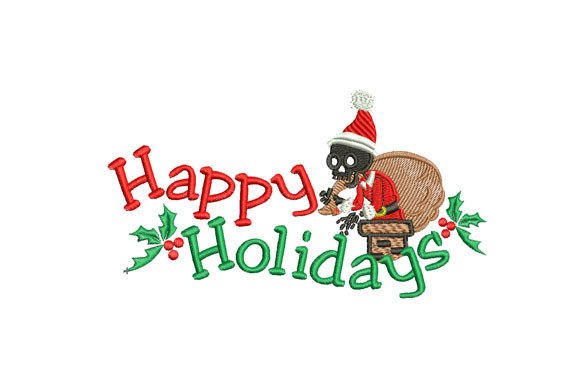
When a new machine embroidery design lands on my desk, I don't just look at the preview and call it done. I think about how it will actually perform on a cap, a tote bag, an apron, or a branded patch that someone will wear for months. I think about stitch density, fabric texture, and whether the design will hold up after twenty washes. I think about the business owner who needs this design to represent their brand. That's the lens I'm using to review Funny Happy Holidays, a design from the Christmas category that caught my attention for its potential in small business merchandise and branded patch use.
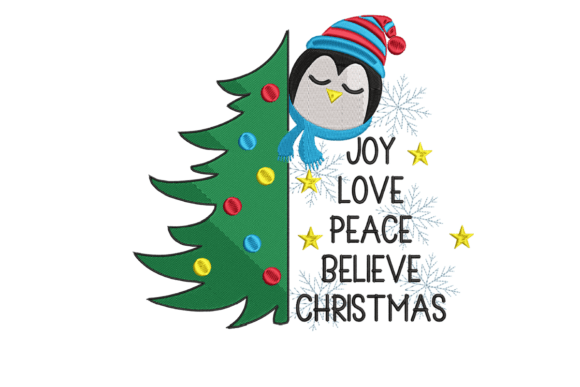
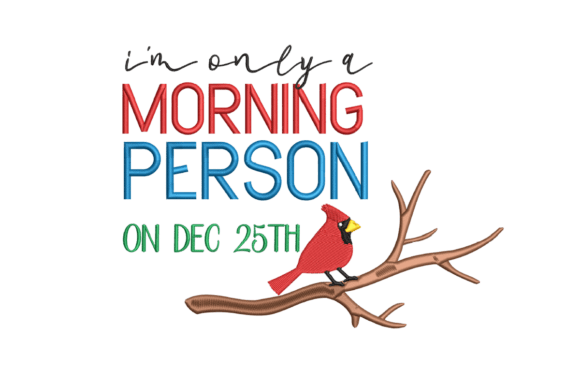
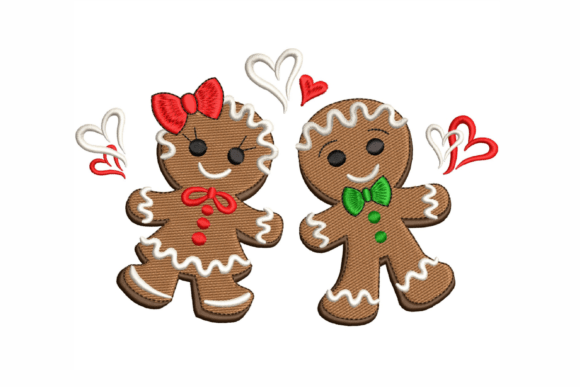
Right from the product description, the tone is clear. The design is described as fun and unique, ideal for informal sewing projects. That tells me immediately that Funny Happy Holidays isn't aiming for stiff, formal, or corporate. It's aiming for personality. For a small café, a handmade shop, a boutique, a bakery, or a pet brand, personality is everything. Your customers don't just buy a product. They buy a feeling, a connection, and a story. An embroidery design that brings warmth and humor to a uniform or a product label can strengthen that connection in a way that a plain logo never could.
In this review, I'll walk through how Funny Happy Holidays reads as a design asset, where it shines in real business use, where you need to be careful, and what it can do for your brand identity when you move from screen to stitch.
First Impression: Personality, Playfulness, and Brand Potential
Before I even opened the embroidery file, I spent time with the visual concept. The title Funny Happy Holidays suggests a design that leans into seasonal cheer without taking itself too seriously. That's a smart move for small business merch. A design that feels too polished or generic can blend into the background. A design with a sense of humor, a friendly shape, and a clear seasonal message stands out on a rack of hoodies, a stack of tote bags, or a table of embroidered patches at a holiday market.
For a business owner, this design could read as playful, approachable, and memorable. I can imagine it on a bakery apron, where the staff greet customers with a smile and the stitching on their chest adds a little extra warmth. I can see it on a florist's work shirt during the holiday season, or on a branded tote bag that a boutique hands out with every purchase in December. The design doesn't just decorate fabric. It communicates a mood. And in a retail environment, mood matters.
The description also notes that Funny Happy Holidays comes with multiple embroidery file formats. That's a practical detail I appreciate because it means the design is ready to work with different machine brands and software setups. No time wasted converting files or troubleshooting compatibility. For a small business owner who might be outsourcing embroidery or handling production in-house with a single machine, this flexibility is a quiet but significant advantage.
Real Business Use: Where Funny Happy Holidays Belongs
Let's move beyond the preview and into the real world. Where does Funny Happy Holidays actually make sense for a business? I evaluated this design across several common merchandise applications, and here's where I see the strongest fit.
Embroidered Patches for Small Business Merch
One of the first things I considered was whether Funny Happy Holidays would work as an embroidered patch. Patches are having a major moment in small business merch. They're affordable to produce, easy to apply, and customers love the tactile, handmade feel. A seasonal patch with a fun holiday message can be stitched onto a jean jacket, a beanie, a backpack, or a canvas pouch. For a craft business or an Etsy seller, a limited-run holiday patch featuring this design could become a bestselling stocking stuffer. The key is to check the design's detail level at small patch sizes. If the lettering or inner elements are too fine, you might lose clarity when the patch is reduced to three inches or smaller. Always test a stitch-out at the intended patch size before committing to a full production run.
Staff Uniforms and Apron Embroidery
For a café, bakery, or creative studio that wants to add seasonal flair to staff uniforms, Funny Happy Holidays offers a way to do it without redesigning the entire uniform. A small chest placement on an apron or a sleeve accent on a work shirt can carry the holiday spirit while keeping the overall look professional. The design's playful tone will feel natural in a customer-facing role where staff interact with the public. I recommend testing the design on the actual apron fabric you use. Thick, textured aprons can affect stitch clarity, and you may need to adjust your stabilizer choice or slow down your machine speed to get clean results.
Cap Embroidery and Curved Surfaces
Cap embroidery is one of the trickiest applications for any machine embroidery design, and Funny Happy Holidays deserves a careful evaluation here. The front of a cap is a curved surface, and not every design translates well to that shape. If the design includes horizontal text or wide elements, you need to check how it sits on the cap's curve. A design that looks balanced on a flat hoop can look distorted when stitched onto a structured cap. I always advise testing on a cap frame before offering cap embroidery to customers. If the design is too wide or too dense, it may pucker or lose definition. But if it fits the cap front cleanly, the result can be a piece of seasonal headwear that customers genuinely want to wear.
Tote Bag Design and Product Packaging Accents
Tote bags are one of the most forgiving and rewarding surfaces for custom embroidery. A sturdy canvas tote with Funny Happy Holidays stitched prominently on the front becomes a walking advertisement for your brand during the holiday season. It's a reusable item that customers will carry for years, and every time they do, they'll remember your business. For a boutique, a handmade shop, or a florist, a holiday tote bag can double as product packaging. Instead of a disposable bag, give your customer a stitched tote that holds their purchase and serves as a gift in itself. The perceived value of your product goes up, and your brand identity gets reinforced every time that bag leaves the house.
Customer Gifts, Event Merch, and Etsy Branding
For businesses that sell at holiday markets, craft fairs, or pop-up events, Funny Happy Holidays can be the centerpiece of a seasonal merch collection. Stitch it onto a cozy sweatshirt, a beanie, a kitchen towel, or a set of cloth napkins. Bundle the embroidered item with a matching product tag and a handwritten note, and you've created a gift-ready product that feels intentional and handmade. For an Etsy seller, this design can become part of your brand identity for the entire holiday season. Use it in your product photos, your printable mockup presentations, and your social media content. A consistent visual theme across your embroidery offerings builds buyer trust and makes your shop feel cohesive and professional.
Brand Identity, Trust, and the Handmade Advantage
When a small business uses an embroidery design like Funny Happy Holidays, the decision is about more than decoration. It's about visual consistency, customer trust, and the subtle cues that tell a buyer this product was made with care. A machine embroidery design stitched onto a garment or accessory signals that the business invested time and resources into the finished product. It feels permanent, intentional, and premium.
Compared to a screen-printed graphic that may crack or fade, an embroidered design has a tactile quality that customers associate with quality and craftsmanship. For a handmade brand, that association is invaluable. A stitched holiday design on a product label, a sleeve, or a tote bag tells the customer that this isn't mass-produced merchandise. It's a small batch item made by someone who cares about the details.
Using Funny Happy Holidays across multiple products also creates a unified seasonal collection. A customer who sees the design on a shop apron, a tote bag, and a cap begins to recognize it as part of your brand. That recognition builds trust. And trust drives repeat purchases. The design becomes a visual shorthand for your business during the holiday season, and that kind of consistency is a powerful branding tool.
Practical Embroidery Designer Notes: What to Check Before Production
Every experienced embroidery designer knows that a beautiful preview doesn't guarantee a beautiful stitch-out. Here are the practical checks I recommend before you use Funny Happy Holidays for any business application.
- Test in black and white first. A design that looks great in color may lose its impact in a single-color thread on a dark uniform. If you plan to offer the design in multiple thread color options, test the most challenging combination first.
- Check small patch size performance. If you want to use this design as an embroidered patch smaller than three inches, stitch a sample and inspect every detail. Fine lettering and narrow gaps can close up when the design is reduced.
- Review thread color contrast. The difference between your thread color and your fabric color matters enormously. A design stitched in white thread on a natural canvas tote will read differently than the same design in red thread on a black apron. Test on the actual fabric you'll use for production.
- Inspect spacing and density. A design with high stitch density can feel stiff and uncomfortable on lightweight garments. If the design feels heavy or bulky after stitching, consider whether you need to adjust your stabilizer or resample the design with a lighter fill.
- Confirm your hoop size. Before you purchase the embroidery file, check the design dimensions against your available hoop sizes. A design that's too large for your machine's maximum hoop is a production bottleneck you can't afford.
- Test on real fabric. Don't rely on a sample stitched on a perfect piece of test fabric. Stitch the design on the actual garment, tote bag, cap, or apron you'll use for finished products. Different fabrics behave differently, and you need to see how the design performs in real conditions.
- Use proper stabilizer. The right stabilizer can make or break an embroidery project. For stretchy fabrics, use a cutaway stabilizer. For stable woven fabrics, a tearaway may be sufficient. Match your stabilizer to your fabric and your design density.
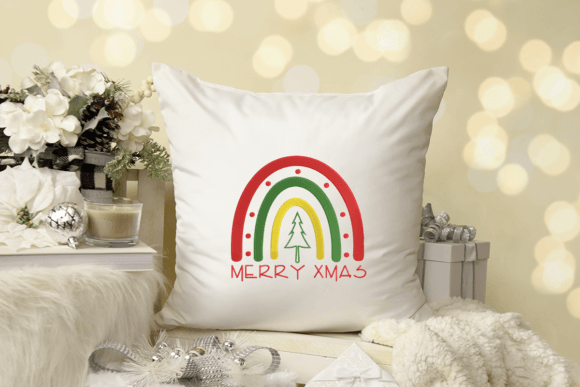
- Create a printable mockup for client approval. If you're stitching for a client, show them a realistic mockup of the design on their product before you start production. This prevents misunderstandings and ensures the client is happy with placement, size, and thread color.
- Compare the design beside other design assets. If you're building a seasonal collection, place Funny Happy Holidays next to your other embroidery designs and your brand logo. Do they feel like they belong together? Visual consistency across your product line strengthens your brand identity.
- Confirm commercial licensing before business use. The product description indicates the design comes with multiple embroidery file formats and can be used with various projects, but you should always verify the specific license terms. Make sure you have the rights to use the design on products you sell before you invest in production.
Fabric Texture, Washing, and Long-Term Durability
One concern that comes up often with seasonal designs is durability. A holiday design that looks great in November needs to still look great after multiple washes in December and January. Funny Happy Holidays should be evaluated on the specific fabric you plan to use. A design stitched on a heavyweight canvas tote will wear differently than the same design on a lightweight cotton T-shirt. Pay attention to thread quality, stitch density, and stabilizer choice. A well-stabilized embroidery design with quality thread can last for years without significant fading or distortion. But if the design is too dense for the fabric, it can cause puckering, and repeated washing can make the problem worse. Test a finished product through at least five wash cycles before you sell it to a customer.
Where to Use Caution: Small Details and Tricky Surfaces
While Funny Happy Holidays has strong potential for many business applications, there are a few places where I would advise caution. If the design includes tiny lettering or delicate outlines, those elements may not translate well to very small embroidery sizes or highly textured fabrics like fleece or terry cloth. Cap fronts, as I mentioned earlier, require special attention because of the curved surface. And dark uniforms present a challenge for any design that relies on subtle color variations. If you're stitching on black or navy fabric, make sure your thread colors have enough contrast to pop against the background. A design that looks vibrant on a white test cloth can disappear on a dark apron.
Final Thoughts for Small Business Owners and Merch Creators
After spending time with Funny Happy Holidays, I see a machine embroidery design with genuine personality and strong seasonal appeal. It's not trying to be formal, corporate, or overly polished. It's aiming to be fun, friendly, and memorable, and that's exactly what many small businesses need during the holiday season. Whether you're stitching it onto an embroidered patch, a cap, an apron, a tote bag, or a work shirt, the design can bring warmth and recognition to your branded merchandise. It works best when you treat it as part of your larger brand identity, not just a one-off decoration. Test it carefully, match it to the right fabric and stabilizer, and create a finished product that feels intentional and handmade. Your customers will notice the difference, and your business will benefit from the consistency and care that a well-executed embroidery design can deliver.