A Designer's Take: The True Charm of Bless Retro
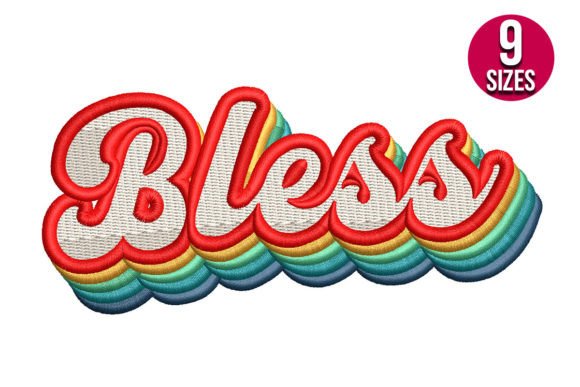
When a design like Bless Retro lands in your library, the first thing you do is step away from the on-screen preview. You picture it stitched out. The real test of any embroidery file is how it translates from digital pixels to tactile thread on fabric. My initial impression of this design is one of genuine, warm nostalgia. It isn't just a holiday motif; it feels like a sentiment. The layout suggests a thoughtful composition, likely with a balance of decorative elements and a central, meaningful word or symbol. This isn't a loud, busy pattern—it has a quieter personality, making it perfect for projects where the embroidery is an accent, not the entire shout.
The Mood It Stitches Into Your Projects
Bless Retro creates a mood of cherished tradition. It would be an excellent choice for items where you want to convey warmth and personal connection. Think of a custom embroidered pillow cover for a cozy holiday living room, or a kitchen towel gifted to a friend who loves vintage-inspired decor. The "retro" aspect means it likely avoids overly sharp, modern lines, leaning instead into shapes that feel familiar and comforting. For a small business owner, this visual personality can elevate a simple product. A plain sweatshirt becomes a boutique-ready item with this design stitched neatly on the sleeve or chest.
Where Bless Retro Finds Its Natural Home
In real-life embroidery situations, this design shines on stable, medium-weight fabrics where its details can pop without distortion. I envision it beautifully on a canvas tote bag—the fabric texture provides a nice grip for the stitches, and the design becomes a lasting, decorative feature. For baby embroidery, it would be lovely on a blanket's corner or a nursery pillow, provided the stitch density is appropriate for softer fabrics. As a potential embroidered patch, it could be a standalone gift or a charming addition to a denim jacket. Its Christmas categorization suggests it’s ideal for holiday gifts, but its retro charm might make it suitable for year-round personalized products, like a wedding gift for a couple who loves vintage style.
Practical Performance on the Machine and Market
How does Bless Retro perform? A key consideration is stitch density. Designs with a retro aesthetic sometimes use generous satin stitch or fill stitch areas to create a bold look. On a thin t-shirt or stretchy fabric, that could lead to puckering without the right stabilizer. For a successful outcome on custom apparel like sweatshirts, using a cut-away stabilizer is a smart move. The design likely contains smaller decorative accents and perhaps some lettering. Before running it on a client’s cherished garment, I always test it on a scrap of similar fabric. This lets you check the clarity of those tiny details and the thread color contrast, especially if stitching on dark fabric.
For commercial embroidery and craft business items, clarity equals value. A clean, well-stitched Bless Retro design on a product increases customer trust in the handmade presentation. It looks professional. For an Etsy seller creating holiday merchandise, this design could be the focal point of a simple, effective product photo—think a neatly embroidered tea towel displayed in a printable mockup. It enhances brand consistency if your shop specializes in nostalgic, heartfelt items.
Spots to Approach with Care
There are places where Bless Retro should be used thoughtfully. If the design has intricate corners or very small lettering, stitching it on a curved surface like a cap might require expert hooping and stabilization to prevent distortion. Similarly, on highly textured fabrics like some blankets, fine details might get lost. For products destined for frequent washing, such as baby clothes or aprons, you need to ensure the stitch structure is robust—tight running stitch outlines can hold up better than very wide satin stitches under abrasion. Always consider the hoop size. If the design is larger, working on a small hoop could compromise its integrity; confirm the recommended size before starting.
Turning a Digital File into a Beloved Finished Product
The journey from a digital embroidery file to a finished product that delights a customer hinges on these practical judgments. Bless Retro seems like a design that gains its appeal from its stitched execution. Its giftability is high—it feels personal. A client receiving a custom embroidered tote with this design would recognize the care taken. For the maker, it’s about pairing the right design with the right project. This isn’t a design I’d use for a bold, all-over statement on a jacket; it’s an accent that adds meaningful value.
Here are my standard embroidery designer notes for using a design like this, which I recommend for Bless Retro:
- Test the design on a scrap of your target fabric first. This reveals any issues with stitch density or thread tension.
- Check thread color contrast against your fabric. Preview it in both light and dark fabric backgrounds, even using black and white mockups to judge contrast.
- Inspect the small details in the test stitch-out. Are they clear and distinct?
- Use the proper stabilizer for your fabric type. Don’t guess.
- Confirm the hoop size required. A design stitched too small can lose its charm.
- Always check the licensing terms before selling finished items or using it in commercial embroidery projects. Know your rights.
- Remember, the beauty of a machine embroidery design like this is realized only when you match it to a project it naturally belongs to.
Bless Retro, from its description, comes with multiple embroidery file formats, which is a practical boon for makers using different machines. This flexibility means you can adapt it to your equipment without conversion headaches. In the end, a design's success is measured by how it looks in thread and how it feels to the person who receives it. Bless Retro has the potential to stitch that connection beautifully.