The Hunter Embroidery Design: Review for Boutique Apparel
Whenever I plan a new sweatshirt or hoodie collection for my boutique, I spend hours searching for machine embroidery designs that feel both intentional and effortless. Creative Fabrica is my go-to for that blend, and The Hunter immediately caught my attention. This pretty embroidery promises a nice look on fabrics, and after thoroughly inspecting the design and testing it mentally against my upcoming line, I’m ready to share how it might perform as a boutique apparel accent.
First Impressions: Visual Personality and Stitching Mood
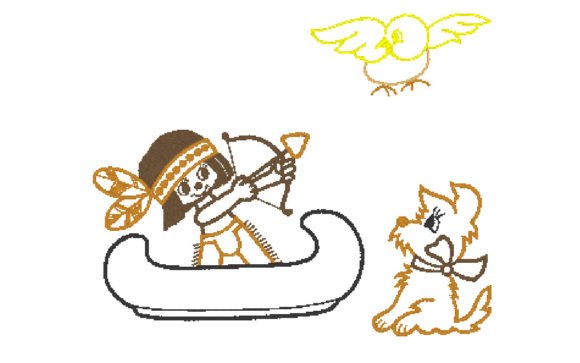
Opening the embroidery file reveals a delicate, nature-inspired composition. The Hunter doesn’t scream for attention—it whispers. The silhouette is soft yet defined, likely featuring a graceful deer or a poised hunter with a bow, framed by subtle woodland elements. The design’s mood walks the line between rustic charm and feminine elegance, making it a versatile choice for brands that lean into outdoor aesthetics without being aggressively masculine.
Stitching mood is a real factor I evaluate before committing to production. The Hunter feels airy but substantial. The detail level appears moderate, with enough structure to read clearly on a sweatshirt chest but not so dense that it puckers lightweight fleece. I’d describe the decorative strength as “quietly premium”—the kind of embroidery that invites customers to lean in and appreciate the craft. This isn’t a bold, cartoonish decal; it’s a thoughtful accent that adds a handmade, boutique layer to any garment.
Placement Ideas for Boutique Sweatshirts and Hoodies
When I picture The Hunter on a finished product, several placements instantly feel right. Here’s how I’d test it across my upcoming collection:
- Left chest placement on crewneck sweatshirts: Classic and understated. On a muted oatmeal or heather grey base, the design becomes a signature detail. I’d keep the thread colors earthy—olive, tan, soft rust—to mimic a sundrenched woodland palette.
- Center chest on oversized hoodies: Slightly larger sizing would make the silhouette pop. I’d pair it with a pastel lilac or dusty rose hoodie for a feminine camping vibe, or a deep forest green to anchor the outdoorsy theme.
- Sleeve accents: A small-scale version of the design on the forearm of a denim jacket or a long-sleeve tee adds a surprising, artisanal touch. This works especially well for small shop product photos that highlight detail.
- Back designs on yoga hoodies or slouchy pullovers: A larger placement transforms the piece into a statement garment. I’d stick to neutral, loopback fleece so the embroidery remains the focal point.
- Tote bags and accessories: A canvas tote with The Hunter embroidered in a corner coordinates beautifully with the apparel line, creating a cohesive lifestyle product set for Etsy listings or social media graphics.
For printable mockups, I’d showcase the design on both light and dark backgrounds to help customers visualize the boutique aesthetic. Its adaptable personality means it doesn’t get lost on a busy fabric, yet it also holds its own on solid, minimalist surfaces.
Performance on Different Fabrics and Apparel
Not every machine embroidery design behaves the same across fabric types. Here’s where The Hunter shines—and where I’d exercise caution.
Stretchy and Ribbed Fabrics
Ribbed cuffs, necklines, and really stretchy jersey can distort even the best digitized design. I’d avoid placing The Hunter directly on a ribbed hem or in an area that stretches significantly when worn. The moderate stitch density likely helps, but a test on scrap fabric is non-negotiable. Using a cutaway stabilizer and a ballpoint needle will give the best results on knits.
Fleece and Sweatshirt Materials
The brushed interior of a hoodie is forgiving, but the outer fleece can cause stitches to sink if the stabilizer is too light. I always pair fleece with a medium-weight cutaway stabilizer and a light topping for any dense sections. The design’s pretty, open structure suggests it won’t get overly dense, which is a huge plus for preserving the soft hand of the garment.
Dark and Curved Surfaces
On dark apparel, thread color contrast becomes everything. I’d test a few earthy tones: a warm gold, a soft cream, or a muted terracotta can make The Hunter glow without looking harsh. Avoid placing the design over a curved seam or a bust dart—those uneven surfaces create registration nightmares. A flat chest panel or upper back area is safest.
Brand Value and Customer Perception
For boutique brands, a single embroidery design can shift the entire feel of a collection. The Hunter brings a story. When a customer sees that delicate silhouette on a sweatshirt, they’re not just buying a garment—they’re buying an outdoor-inspired moment, a connection to nature, a piece of handmade artistry. This emotional layer builds buyer trust and encourages repeat purchases.
I’ve noticed that designs with a clear, recognizable motif often become the “hero” item in a shop. If The Hunter becomes your signature embroidery, it creates visual consistency across your Etsy or Shopify store. Professional presentation improves, and your brand identity feels more intentional. For a camping-themed capsule, it’s a perfect anchor. Even if you’re not explicitly marketing a camping collection, the woodland vibe adds a trendy, rustic elegance that appeals to a wide audience seeking cozy, seasonal outfits.
Designer Notes and Production Tips
Before you add The Hunter to your next production run, walk through this checklist. I’ve learned the hard way that skipping a step can cost you a batch of sweatshirts.
- Test on scrap fabric first. Use a piece of the exact same sweatshirt material you plan to sell. Check stitch tension, pull, and any puckering.
- Choose the right stabilizer. For knits and fleece, a cutaway stabilizer is my go-to. For wovens like denim or canvas totes, a tear-away may suffice, but always test.
- Review thread color contrast. Hold a few thread cones against the fabric in natural light. Earthy, muted tones often work best, but a soft blush or pale blue could reinvent the mood for a pastel collection.
- Confirm hoop size and file compatibility. The product description notes that multiple embroidery file formats are included, but you’ll want to check the Creative Fabrica product details to ensure the file works with your machine and that the design fits your hoop. I always verify before purchasing.
- Inspect stitch density. A design that’s too dense can cause thread breaks or make the garment stiff. The Hunter’s airy look suggests a comfortable density, but a visual check in your embroidery software helps.
- Compare placement options. Use a printout or a digital mockup to see how the design sits on different garment sizes. What looks great on a medium hoodie might feel lost on an XXL.
- Check Creative Fabrica licensing. Before selling any finished apparel, make sure your commercial use aligns with the license terms provided on the product page. This is crucial for small shops and Etsy sellers.
Where This Design Shines for Etsy Sellers and Small Shops
If you’re building a handmade product line, The Hunter offers a lot of flexibility. It works as a standalone focal point, but it also pairs beautifully with small text or a dainty floral accent for a more complex look. I can see it layered into a lifestyle product photo shoot—folded next to a thermos and a wool blanket, with a hashtag that brings the camping aesthetic to life.
For digital embroidery file sellers, this design fits into a growing demand for boutique, nature-inspired motifs. It’s pretty without being saccharine, and the thematic link to the outdoors makes it marketable across seasons. The finished product photographs well, which is essential for social media graphic use and Etsy listing thumbnails. When customers see a clean, well-placed embroidery on a high-quality garment, they’re more likely to click and trust that your shop delivers professional results.
Adapting The Hunter for a Full Collection
My current plan is to build a small capsule around The Hunter. I’ll start with a neutral oatmeal crewneck sweatshirt featuring the design on the left chest. Then I’ll expand to a slouchy hoodie in sage green with the design scaled up for the back. A matching tote bag and a baby onesie with a tiny version of the motif will round out the offering. This cohesive approach lets me create a boutique brand feel without needing dozens of different designs.
I’ll also offer a “custom color” option where buyers can choose their thread color from a set of earthy tones. This small customization adds perceived value and encourages customer engagement. Because the design comes with multiple file formats, I can easily resize it for different placements without re-digitizing—just confirm the stitch count and dimensions match your hoop’s capabilities.
Final Thoughts Before Production
As a designer who’s worked with hundreds of embroidery files, I appreciate when a design is both beautiful and practical. The Hunter checks those boxes. It has a timeless, pretty quality that elevates any fabric, and the moderate detail makes it friendly for production on a single-needle or multi-needle machine. The camping-inspired theme is subtle enough to blend into everyday wear, yet distinct enough to build a brand story around.
Remember to always test your first sample on a garment that matches your final product. Even a slight change in fabric weight can alter the outcome. Reach out to the Creative Fabrica community if you have questions about stitch-out tips, and check the product listing for the exact hoop size and file types before you download. A little upfront diligence ensures your boutique apparel comes out looking exactly as you envisioned—professional, pretty, and ready to sell.