Leaf Fan Embroidery Design: A Working Designer’s Honest Take
When I first spotted the Leaf Fan embroidery design on Creative Fabrica, I was immediately drawn to its organic, nostalgic feel. As someone who stitches for paying customers, I’m always looking for designs that tell a story and add a touch of nature without being overly complicated. The description says it was inspired by old-fashioned leaf fans, and I could already picture it on a linen tote bag or a cozy sweatshirt. But before committing it to a real project, I needed to think through how it would actually stitch out, how it would hold up on different fabrics, and whether it would add real value to my handmade product line. Here’s my honest review of Leaf Fan, from a working embroidery designer’s perspective.
The Visual Mood: What Makes Leaf Fan Stand Out
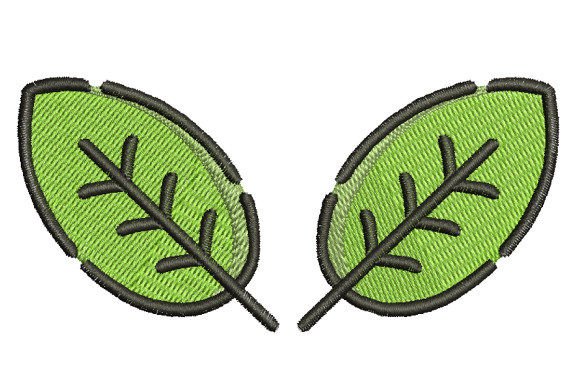
Right away, the Leaf Fan design evokes a soft, almost vintage calm. The concept—a large leaf shaped into a hand fan—carries a quiet intelligence. It’s not a literal floral or a geometric pattern; it’s something in between. The preview suggests clean, sweeping lines that mimic natural leaf veins, and the open spaces inside the leaf body give it an airy disposition. This is a machine embroidery design that would fit beautifully into a Forest-themed collection, or any lineup that leans into botanical, woodland, or rustic charm. The inspiration from old days when fans were built to feel like a big leaf adds a storytelling layer that can make a finished product feel more intentional and artisanal.
I can see this design working in two very different visual directions. With muted, earthy thread colors—olive, terracotta, linen—it becomes a heritage piece perfect for a farmhouse kitchen towel. With a single vibrant thread like deep teal or mustard on a natural canvas tote, it reads more modern bohemian. The decorative appeal is strong, but it’s not fussy. That balance is exactly what I look for when picking design assets that need to look good in both product photography and in person.
Stitching Personality: How the Design Behaves on the Machine
While the Creative Fabrica preview gives a clear visual, the real test of any embroidery file is how it runs. Based on the linework, I’d expect a mix of satin stitch for the main outlines and fill stitch for the broader leaf sections, with possible running stitch for the inner vein details. The leaf fan concept suggests a design that isn’t overly dense, which is a plus. Too much stitch density can make a piece stiff or cause puckering on lightweight fabrics. From what I can see, the leaf body appears to have a sense of movement, with enough open area to keep the drape relatively soft. That’s encouraging for wearable items.
That said, I always emphasize that you need to check the stitch density and hoop size on the actual product page before you download. The description mentions “big leaves,” so the design might be on the larger side. If your machine only accommodates a 4x4 inch hoop, you’ll want to confirm the design fits. Also, some of the leaf tips might be delicate. If the satin stitch is too narrow there, those areas could be vulnerable to snagging or thread breaks on textured fabrics. For that reason, I’d test on a similar scrap fabric first, checking both the front and back for clean registration.
Real Projects: Where Leaf Fan Adds the Most Value
What I love about the Leaf Fan is its versatility. It’s not locked into one product category. After studying the design, I jotted down a list of handmade product ideas where it would genuinely elevate the offering:
- Tote bag design – A single, well-placed Leaf Fan on a canvas tote turns a plain bag into a boutique item. The natural motif appeals to eco-conscious shoppers, and the leaf-fan story makes it a conversation starter.
- Sweatshirt embroidery – On a crewneck or hoodie, the design can sit on the chest or run down a sleeve. I’d opt for a slightly lighter thread than the fabric for a subtle, tone-on-tone look, or go bold with a contrasting color for a statement piece.
- Kitchen towels and aprons – The Forest vibe fits right in with herb gardens and rustic kitchens. Stitch it on a linen apron and pair it with a matching tea towel for a gift set that feels complete.
- Pillow covers – A single Leaf Fan centered on a cushion, or repeated in a corner, adds a serene, nature-inspired touch to a living room or nursery. For a nursery, keep the thread colors soft and the stabilizer gentle.
- Baby blankets and nursery decor – The leaf shape is friendly and organic, not too sharp. A small Leaf Fan on a baby blanket corner or on a burp cloth can be a sweet, personalized detail without being overly cutesy.
- Caps – This is trickier because of the curved surface, but if the design is sized down properly, it can work on the front panel. I’d test hooping on a scrap cap first, and use a strong cutaway stabilizer to keep the leaf tips from distorting.
- Embroidered patches – Stitch the Leaf Fan on felt or twill with a satin edge, and it becomes a standalone patch for jackets, bags, or jeans. This opens up a whole new product line for a craft fair or Etsy shop.
Beyond these, the design also fits well into commercial embroidery runs. If you’re making multiples for a local boutique or a seasonal market, the Leaf Fan stitches out with a consistent, recognizable silhouette that builds brand identity. I can easily imagine it on a set of matching linen napkins or as part of a larger woodland-themed table runner.
Practical Considerations: Fabric, Hoop, and Washing Survival
Now, the real talk. As an embroidery designer, I’ve learned that a beautiful design can fail if you don’t match it to the right materials and preparation. Here’s where the Leaf Fan might present challenges, and how to handle them:
Small Hoop Sizes
If the design is larger than your hoop, you’re out of luck unless you can split it—which I don’t recommend for a flowing leaf shape. Before purchasing, double-check the design dimensions on the Creative Fabrica product page. If your machine only does 4x4, and the design is 5x7, you’ll need to either upgrade or skip this one.
Textured and Stretchy Fabrics
On terry cloth towels or waffle weaves, the leaf’s fine lines might sink into the texture. A topping stabilizer can help keep the stitches on top, but you’ll lose some crispness. On stretchy fabrics like jersey or French terry, the leaf fan could distort if the fabric pulls. Always use a cutaway stabilizer and a basting spray to prevent shifting. I’d also test on a scrap with similar stretch to make sure the stitch density doesn’t cause tunneling.
Dark Fabrics
If you’re stitching the Leaf Fan on a dark sweatshirt or tote, thread color choice is everything. A light, airy leaf on a dark background can look striking, but if the design has very light fill stitch areas, the fabric might show through. I’d do a test stitch on a dark scrap to see if I need to adjust the stitch density or add an underlay. You can’t change the digitizing, but sometimes a slightly different thread shade or a second layer of topping can rescue the look.
Curved Surfaces Like Caps
Caps are notorious for distorting designs. The Leaf Fan has a symmetrical structure that might look odd if the bill curves the bottom of the leaf. I’d size it down to fit the front panel squarely and use a cap hoop with a firm backing. The leaf tips are particularly vulnerable here, so I’d inspect the first stitch-out carefully.
Frequent Washing
For items like kitchen towels or baby blankets that get washed often, the embroidery needs to hold up. A well-digitized design with proper underlay will survive many cycles. I’d use polyester thread for colorfastness and a quality stabilizer that won’t disintegrate. If the Leaf Fan has very fine satin borders, fraying could be a risk after months of use. That’s something to evaluate after your first wash test.
Adding Value to Your Handmade Products
Beyond the technical aspects, the Leaf Fan can do something magical for your product line: it can create a sense of story and intention. When a customer sees a leaf-shaped fan on a tote bag design or an apron, they’re not just seeing decoration—they’re seeing a piece of nature, a nod to hot summer days, and a touch of nostalgia. That emotional connection increases perceived value. I’ve noticed that items with a clear visual narrative tend to sell faster at craft fairs and get more engagement on Etsy.
The design also photographs beautifully. The open, fan-like structure draws the eye, and the stitch texture catches light nicely. For a printable mockup, you can overlay the embroidery preview on a product photo to gauge customer interest before you even stitch a sample. This can save time and help you refine your offerings.
If you’re building a brand around Forest or nature themes, the Leaf Fan fits right in. It can become a signature motif across your custom apparel, personalized gift sets, and boutique merchandise. Consistency like that builds buyer trust and makes your shop memorable.
Final Tips Before You Download and Stitch
I never start a paid project with a new digital embroidery file without running through a checklist. Here’s my routine, and I recommend you do the same for Leaf Fan:
- Test on scrap fabric – Use a material similar to your final product. Watch for puckering, thread breaks, and registration issues.
- Check thread color contrast – Try the design on both light and dark fabrics. What looks great on a white mockup might disappear on black.
- Review stitch density – If the design feels too heavy or too light, adjust your stabilizer or consider a different backing. You can’t change the digitized density, but you can compensate.
- Confirm hoop size – The Creative Fabrica product page should list the required hoop. Don’t assume it’s universal.
- Use proper stabilizer – Cutaway for knits, tear-away for wovens, and a topper for textured fabrics. Don’t skip this step.
- Inspect small details after stitching – Look at the leaf tips and vein intersections. If any thread is loose, secure it before the product goes to the customer.
- Check file details and licensing – On the Creative Fabrica product page, verify the included file formats and the commercial license terms. You need to know if you can sell finished items without restrictions. This is especially important for commercial embroidery and Etsy sellers.
My Verdict: Is Leaf Fan Worth Your Download?
After carefully considering the Leaf Fan from a real-world stitching perspective, my answer is a confident yes—with the usual caveats. The design brings a rare combination of simplicity and storytelling. It’s not just another leafy motif; it’s a leaf as a fan, which gives it a functional, almost nostalgic charm. The Forest category connection is natural, and the design can easily slide into a variety of product lines, from tote bags and sweatshirt embroidery to nursery decor and embroidered patches.
I appreciate that the description stays true to the old inspiration of big leaves cooling the air. That feeling of breeziness comes through in the visual openness of the design. However, as with any Creative Fabrica embroidery file, your success will hinge on proper testing, the right stabilizer, and a clear understanding of the dimensions and stitch properties. Don’t skip the prep work.
If you’re a handmade shop owner, a craft fair vendor, or someone building a boutique brand around nature-inspired goods, Leaf Fan is a design worth adding to your digital embroidery file library. It’s distinct, versatile, and has the kind of quiet visual appeal that makes customers pick up the product and smile. Just head over to the Creative Fabrica product page, confirm the technical details, and then let your machine bring this modern heirloom to life.