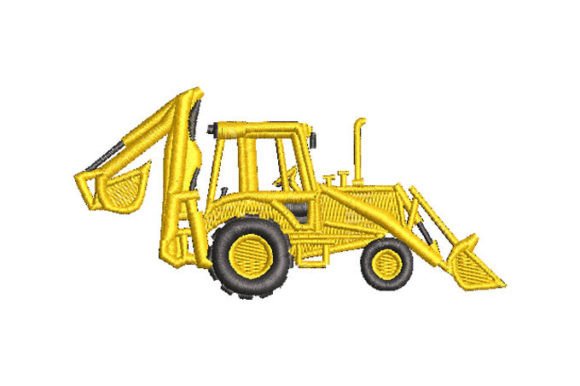
A Detailed Review of the Caterpillar Tractor Embroidery Design
As someone who stitches for clients, runs a small embroidery shop, and constantly evaluates designs for their real-world potential, I’ve got a practical eye for what works. Today, I’m looking at the Caterpillar Tractor embroidery design, thinking about how it would perform on actual projects—from personalized gifts to items for my Etsy listings.
First Impressions: Rugged Charm with a Crafty Heart
The moment you see this design, it evokes a specific mood. It’s not a sleek, modern graphic; it’s an icon of rugged, reliable work. The shape feels substantial, the detailing suggests solid construction—it’s a friendly, nostalgic tractor. This visual personality immediately points towards projects with a handmade, hearty feel. It belongs on items meant for people who appreciate craftsmanship, whether literal or figurative. Think a custom embroidered tote bag for a gardener, a personalized sweatshirt for a farmer, or a baby onesie for a little one fascinated by big wheels.
The theme is clearly Transportation, but more importantly, it’s character. The layout appears balanced, with details that promise good stitch definition if the embroidery file is well-constructed. This isn’t a minimalist logo; it’s a design that aims to tell a small story through embroidery, which can significantly boost the perceived value of a finished product.
Where This Design Will Thrive in Your Projects
Let’s talk real-life application. I imagine preparing a custom tote bag for a client’s birthday gift. This Caterpillar Tractor design, stitched in perhaps a muted green and yellow on a sturdy canvas bag, would look fantastic. The substantial feel of the design matches the durable nature of the bag itself. Similarly, on a heavyweight sweatshirt, it would become a focal point—a statement piece that feels both personal and professionally made.
For small business merchandise, this design opens doors. An embroidered patch featuring this tractor could be a standalone product for craft fairs or a branding element on boutique aprons. On a kitchen towel or a pillow cover in a rustic-themed home, it adds a unique, handmade touch that generic prints can’t match. For baby embroidery, it’s perfect for nursery decor or a special blanket, offering a classic, gender-neutral theme.
The appeal extends to digital product sellers and creative entrepreneurs. This embroidery design, as a design asset in printable mockups for caps or apparel, can help visualize products for online stores. Its clear, recognizable form engages potential buyers quickly, suggesting quality and care in the final embroidered product.
Practical Considerations for Stitching Success
While the description says it works beautifully with any fabric, experience tells me we must be strategic. For this Caterpillar Tractor, certain applications require extra thought.
Navigating Tricky Fabric and Placement
On textured fabrics like some towels or thick blankets, the fine details might get lost if the stitch density isn’t high enough. On thin or stretchy fabric, like a t-shirt, you’ll need excellent stabilizer to prevent puckering around those potentially dense fill stitch areas representing the tractor body. Dark fabric backgrounds demand careful thread color selection for contrast—you don’t want a dark green tractor disappearing on a black cap.
Curved surfaces, like caps, are a classic test. The design’s shape needs to be suitable for the curvature; large, blocky elements often work better than intricate, sprawling layouts. Also, consider products that need frequent washing. A design with many small, tight satin stitch borders might be more prone to wear than one with broader fill stitch areas. Testing on a scrap of the actual project fabric is non-negotiable here.
The Impact on Your Business and Customer Trust
Using a design like this well affects more than just aesthetics. When a Caterpillar Tractor is embroidered crisply, with clean satin stitches and no registration issues, it elevates the entire product. It builds customer trust in your handmade presentation. It makes a gift feel more thoughtful and professional. For a craft business, consistency in output—using designs that stitch out reliably—is key to brand consistency and positive reviews.
This design’s recognizability is a strength. On holiday gifts or wedding gifts for a couple who loves the countryside, it creates an instant, positive connection. It feels specific, not generic, which increases giftability and buyer engagement in your small shop product listings.
Embroidery Designer Notes: A Checklist Before You Hoop
Before committing this design to a client’s jacket or a batch of tea towels for my Etsy shop, here’s my mental checklist.
- Always test the embroidery file on a scrap of your target fabric first. This reveals the true stitch density, thread consumption, and any potential issues with small details.
- Check thread color contrast thoroughly. Run a mental preview: how will it look on light vs. dark fabric backgrounds? Sometimes, a slight color adjustment can make the design pop.
- Confirm the hoop size required. While the product description mentions multiple embroidery files, the exact sizes aren’t listed. I’d need to check the provided files to ensure my project’s dimensions are compatible.
- Inspect the small details in the design preview. Are there tiny elements or lettering that might become a running stitch muddle on a textured fabric?
- Use the proper stabilizer for your fabric type. This is the foundation of stitching clarity.
- Consider the end use. Is this for a personal, one-off gift, or for commercial embroidery on products I plan to sell? I must confirm the licensing terms of the design before selling finished items or using it in commercial projects.
- Finally, think beyond the stitch. How will this embroidered patch or applique design integrate into the final product? Does it need a border? Will it be combined with other elements? Planning ahead ensures the Caterpillar Tractor becomes a harmonious part of a beautiful finished product.
In summary, the Caterpillar Tractor embroidery design presents a charming, robust theme with strong potential for a variety of embroidery projects. Its success hinges not on hype, but on a practical, thoughtful approach to stitching and application. By evaluating it through the lens of real use—on tote bags, sweatshirts, and baby items—we can unlock its value as a versatile asset for hobbyists, makers, and creative entrepreneurs alike.